
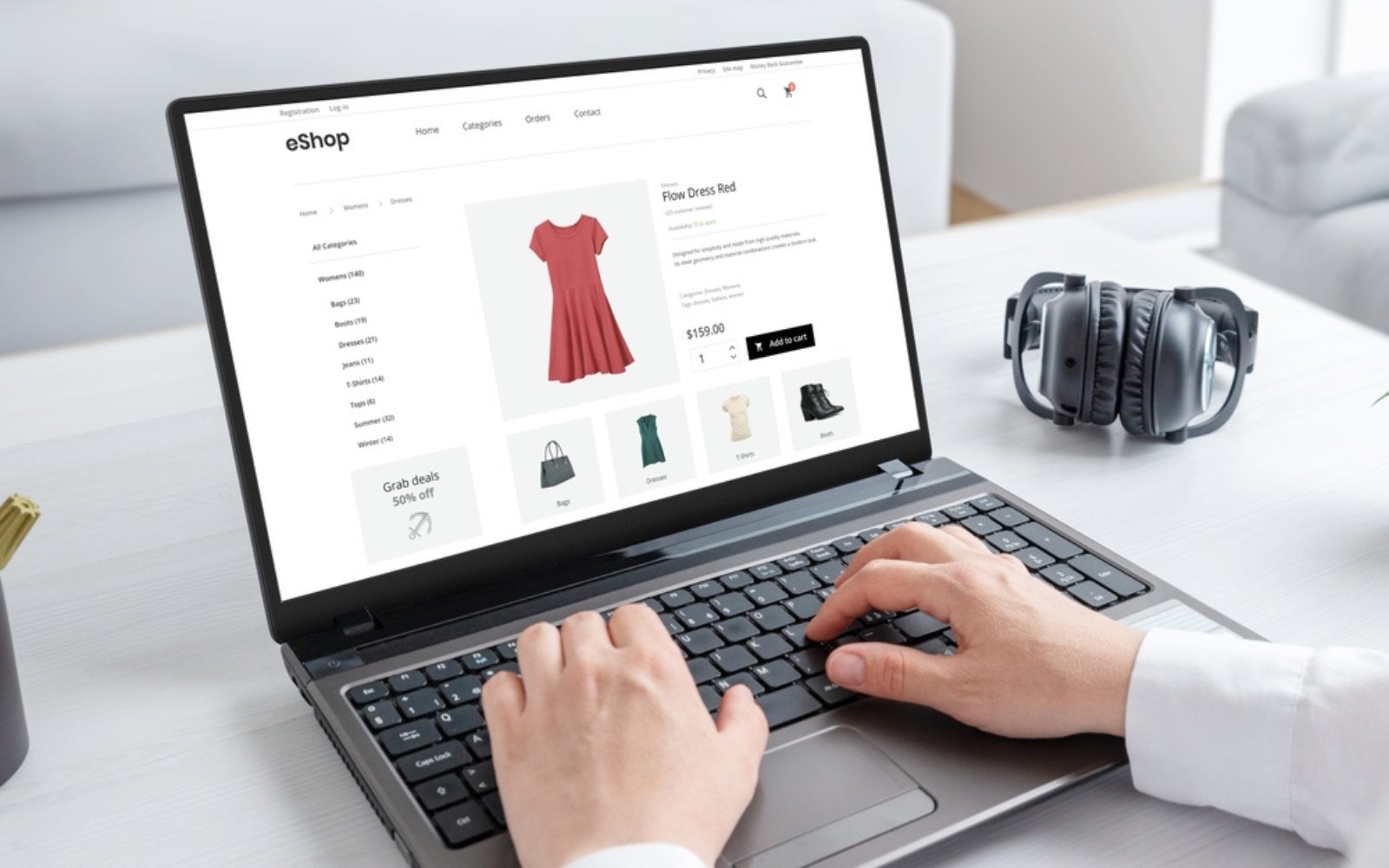
The UAE eCommerce market is entering a more mature and competitive phase in 2026. What worked in previous years—basic listings, discounted pricing, or occasional ads—is no longer enough. Sellers who want to grow sustainably must shift from selling products to building scalable eCommerce systems.
In this guide, we outline a practical 2026 eCommerce growth strategy for UAE sellers, covering marketplaces, owned websites, advertising, logistics, and data-driven decision making.
The UAE eCommerce Landscape in 2026
By 2026, UAE buyers are:
-
More price-aware but less tolerant of poor service
-
Expecting fast delivery, accurate listings, and strong brand presence
-
Shopping across multiple platforms, not just one marketplace
At the same time, competition has increased on platforms like Amazon, Noon, and Trendyol, making professional account management and optimization essential.
Pillar 1: Marketplace-First, But Not Marketplace-Only
Marketplaces remain the fastest way to generate volume in the UAE—but relying on only one channel is risky.
What Smart Sellers Are Doing in 2026:
-
Using Amazon for scale and logistics
-
Leveraging Noon for local reach and price-sensitive buyers
-
Expanding into Trendyol for fashion, lifestyle, and cross-border growth
-
Building a Shopify store as a long-term brand asset
Key takeaway: Marketplaces bring traffic, but your brand website builds trust, repeat customers, and higher margins.
Pillar 2: Advanced Listing Optimization & Marketplace SEO
In 2026, ranking on marketplaces is no longer about keywords alone.
What Works Now:
-
Data-driven keyword research (UAE + KSA specific)
-
Optimized titles that balance search + conversion
-
High-quality images focused on use cases, not just products
-
A+ / enhanced content that answers buyer objections
-
Regular listing audits and updates
Marketplace SEO has become an ongoing process, not a one-time task.
Pillar 3: Performance Advertising With Clear ROAS Targets
Paid ads are unavoidable in 2026—but uncontrolled ad spend kills profitability.
Winning Ad Strategy:
-
Structured campaigns (brand, category, competitor, retargeting)
-
Platform-specific budgeting (Amazon Ads ≠ Noon Ads)
-
Weekly ROAS and ACOS tracking
-
Seasonal ad planning (Ramadan, Eid, White Friday, 11.11)
Sellers who treat ads as growth investments—not expenses—scale faster and safer.
Pillar 4: Logistics, Inventory & Fulfilment Planning
Fast delivery is no longer a “nice to have.”
Sellers Must:
-
Maintain healthy stock levels (avoid overstock + stockouts)
-
Choose the right fulfilment mix (FBA, FBN, seller-fulfilled)
-
Forecast demand using historical data
-
Align pricing with fulfilment costs
In 2026, logistics decisions directly affect search ranking and conversion rates.
Pillar 5: Shopify & Owned Ecommerce Channels
More UAE sellers are realizing the importance of owning customer data.
Why Shopify Matters in 2026:
-
Control over branding and pricing
-
Direct customer communication (email, WhatsApp, loyalty)
-
Higher lifetime value (LTV)
-
Easier integration with marketplaces and social commerce
A Shopify store should not replace marketplaces—but support and strengthen them.
Pillar 6: Data, Reporting & Decision-Making
Gut feeling is expensive in eCommerce.
Successful Sellers Track:
-
Sales by SKU, channel, and region
-
Ad performance vs net profit
-
Conversion rates and traffic sources
-
Repeat purchase behavior
Weekly dashboards and monthly strategy reviews are now standard for serious brands.
Pillar 7: Partnering With the Right eCommerce Consultant
The biggest difference in 2026 is professional execution.
Sellers who work with experienced eCommerce consultants:
-
Avoid costly mistakes
-
Scale faster across platforms
-
Stay compliant with UAE & KSA regulations
-
Focus on growth instead of daily firefighting
At Online Seller DXB, we help brands manage, optimize, and scale across marketplaces and Shopify with a clear ROI-focused approach.
Final Thoughts: 2026 Is About Systems, Not Shortcuts
The sellers who will win in 2026 are those who:
-
Think long-term
-
Invest in professional account management
-
Build brands, not just listings
-
Use data to guide decisions
-
Diversify sales channels strategically
If you are serious about growing your eCommerce business in the UAE and KSA, now is the time to put the right strategy and team in place.